Accessible Kitchen Design
Market Rasen
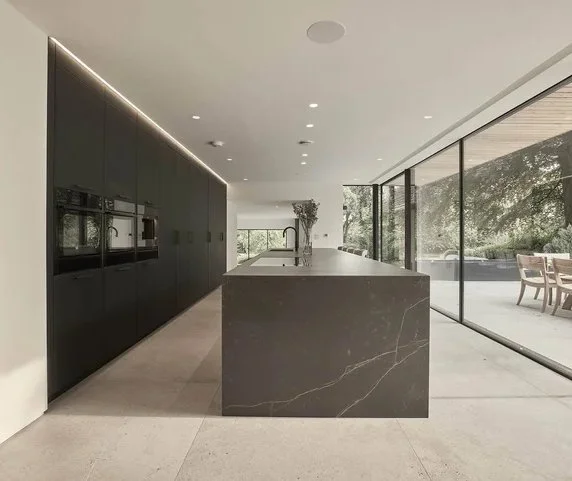
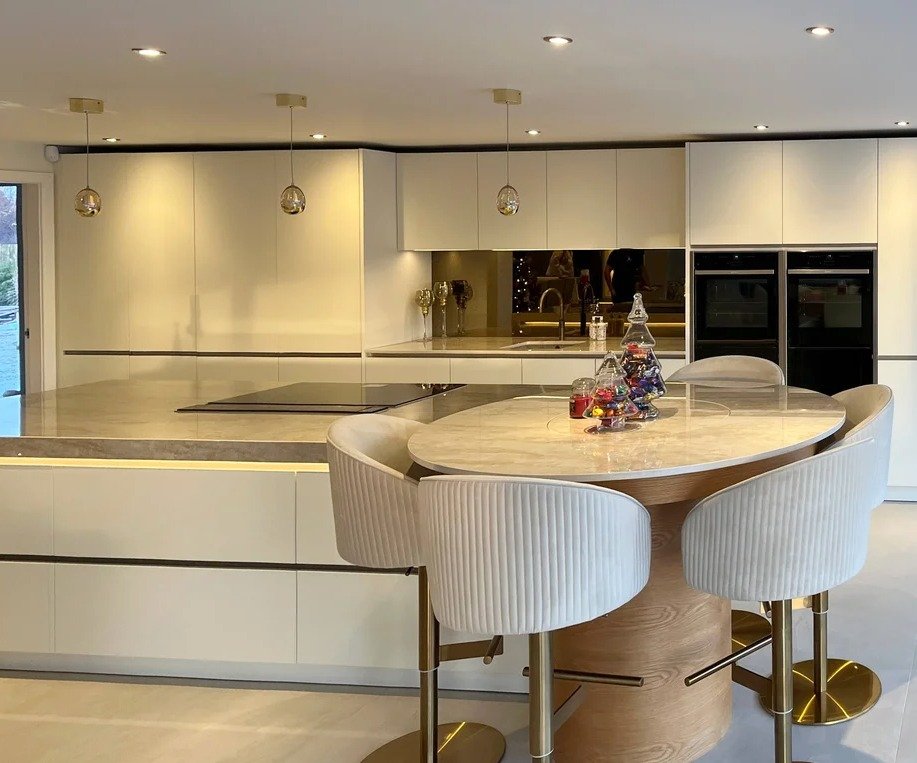
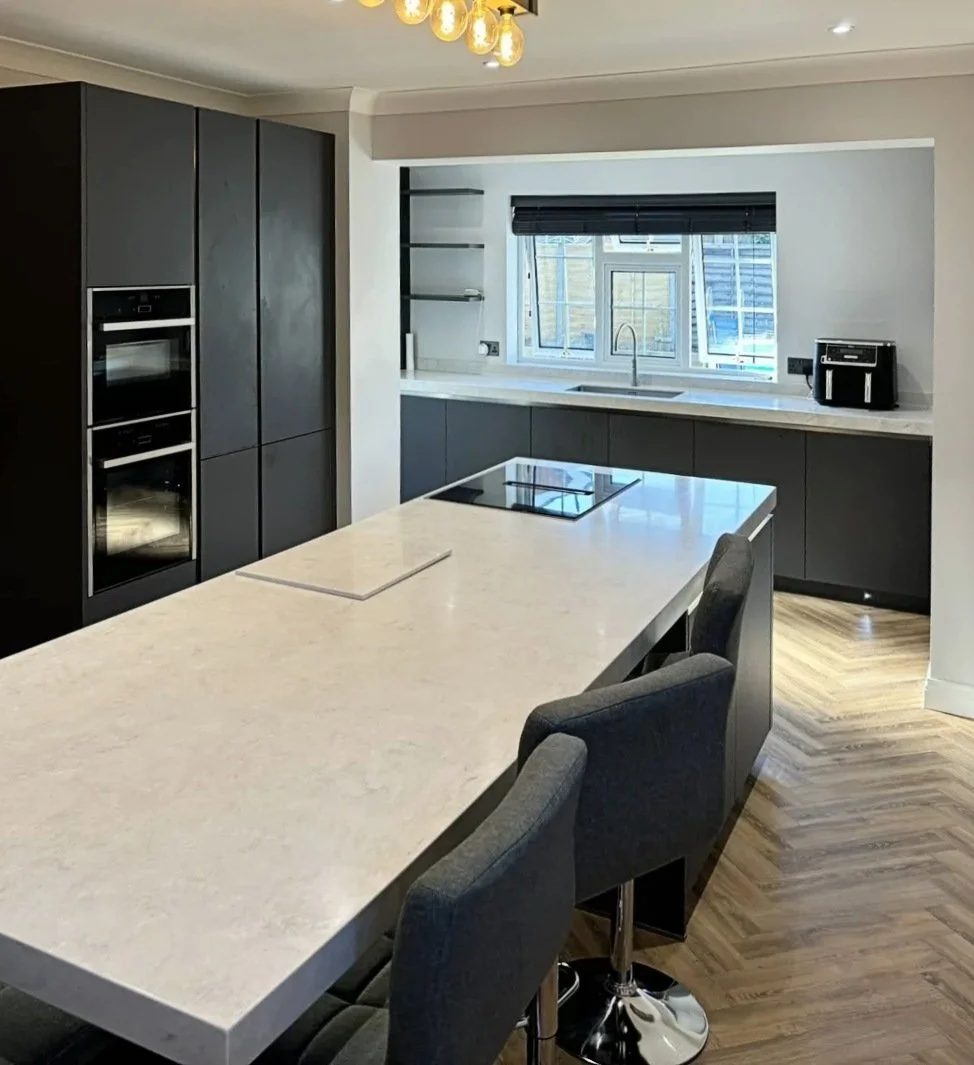
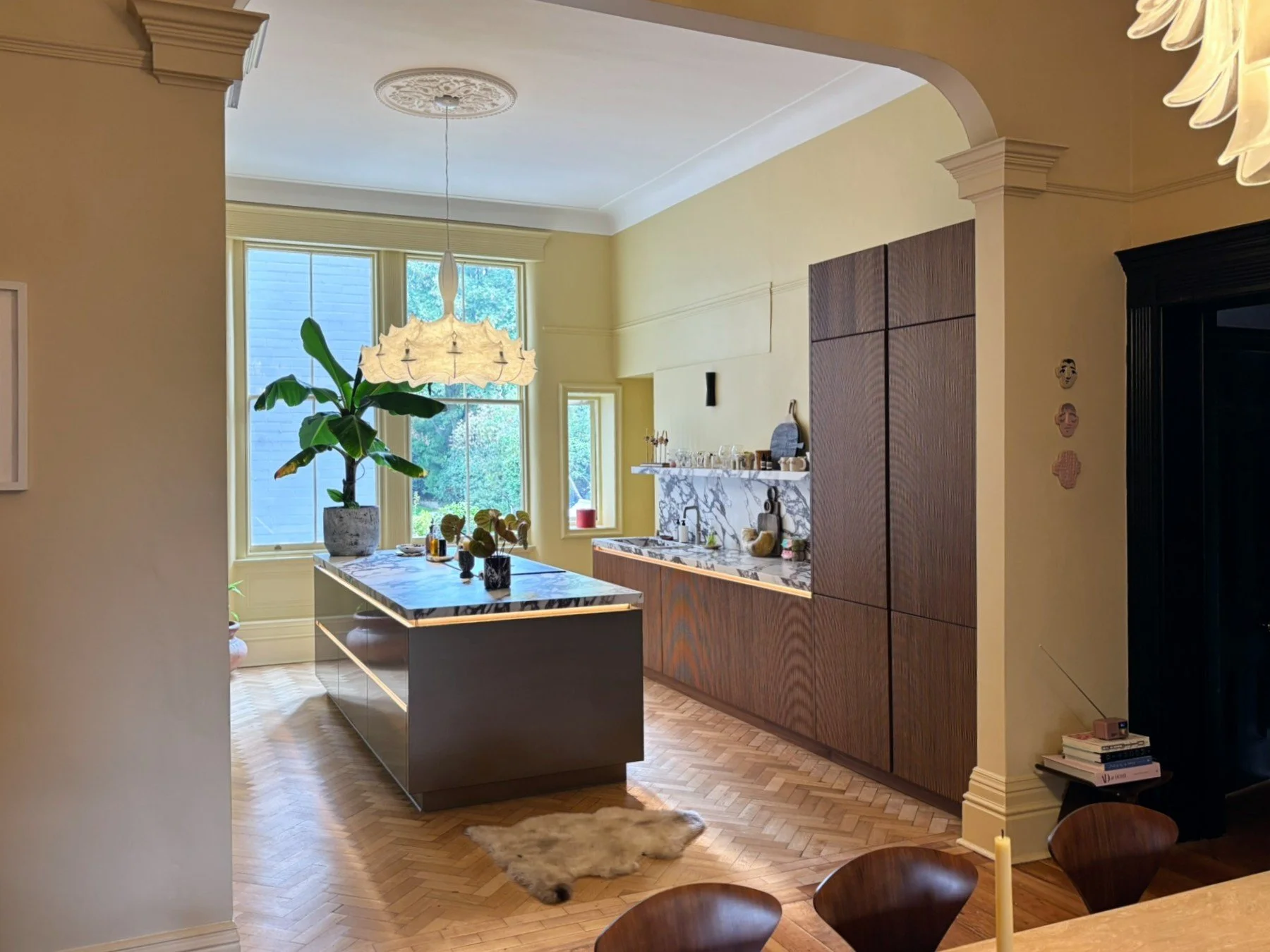
This project in Market Rasen is one of the most carefully planned kitchens in the Samuel Neal portfolio.
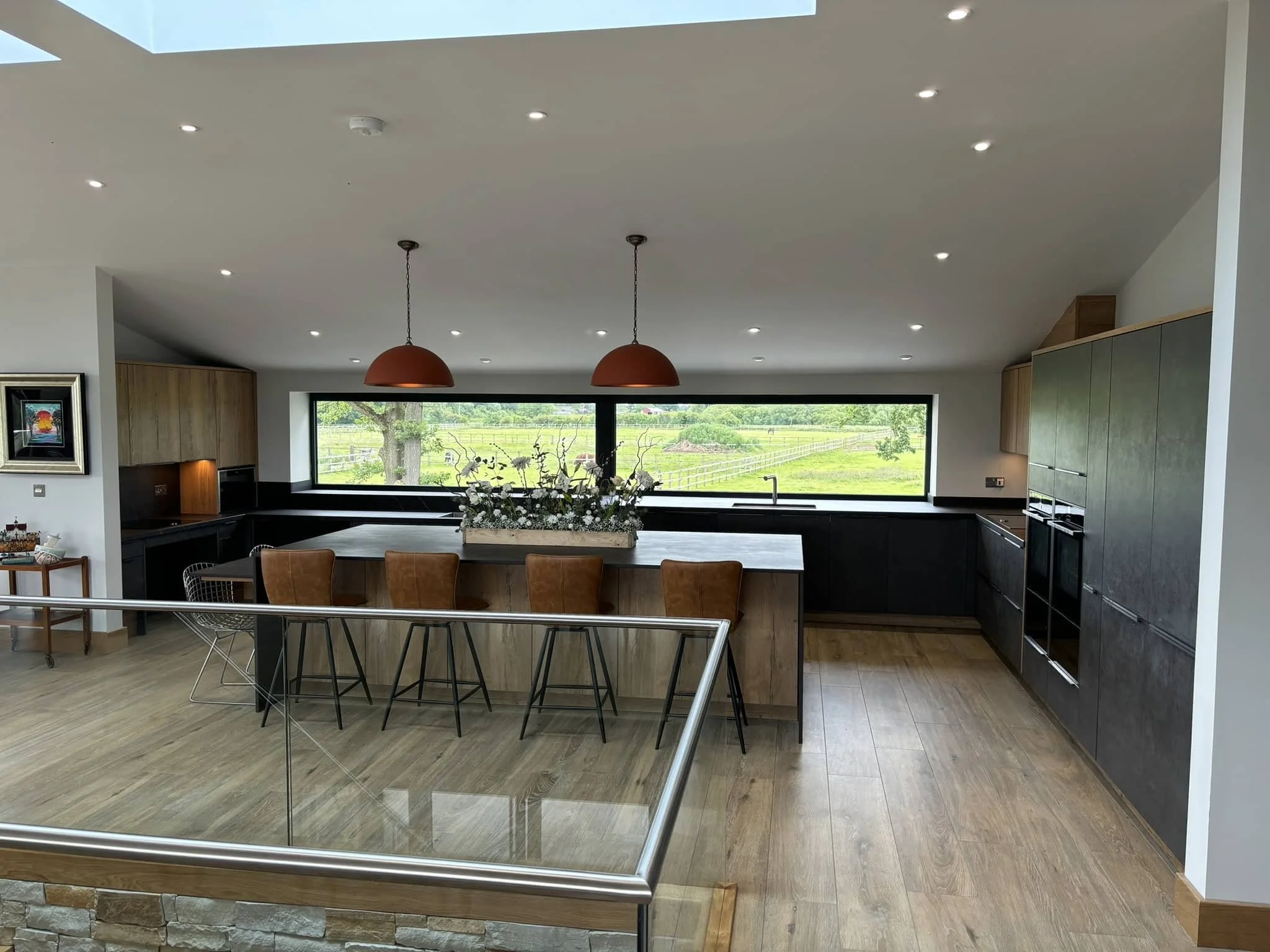
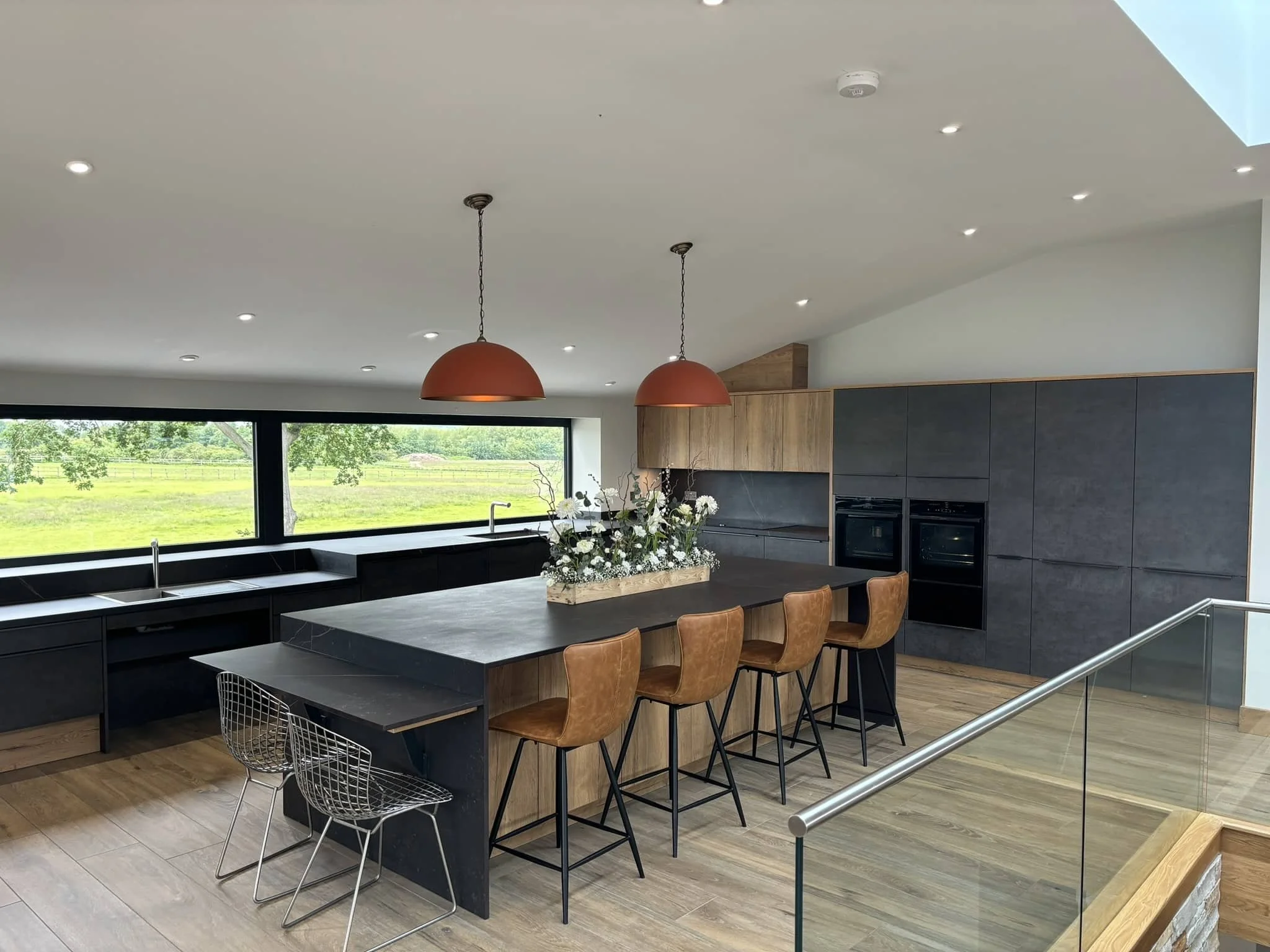
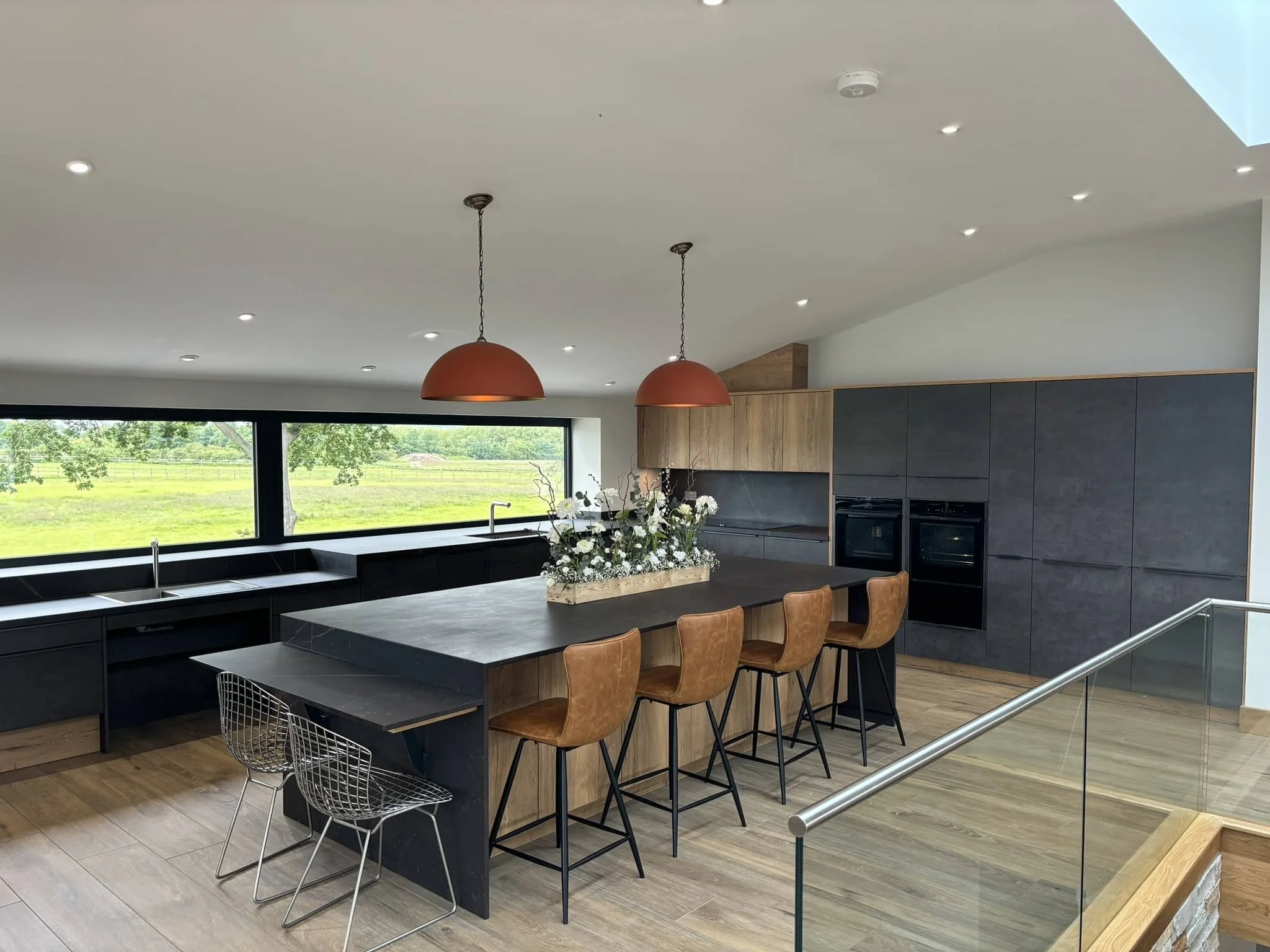
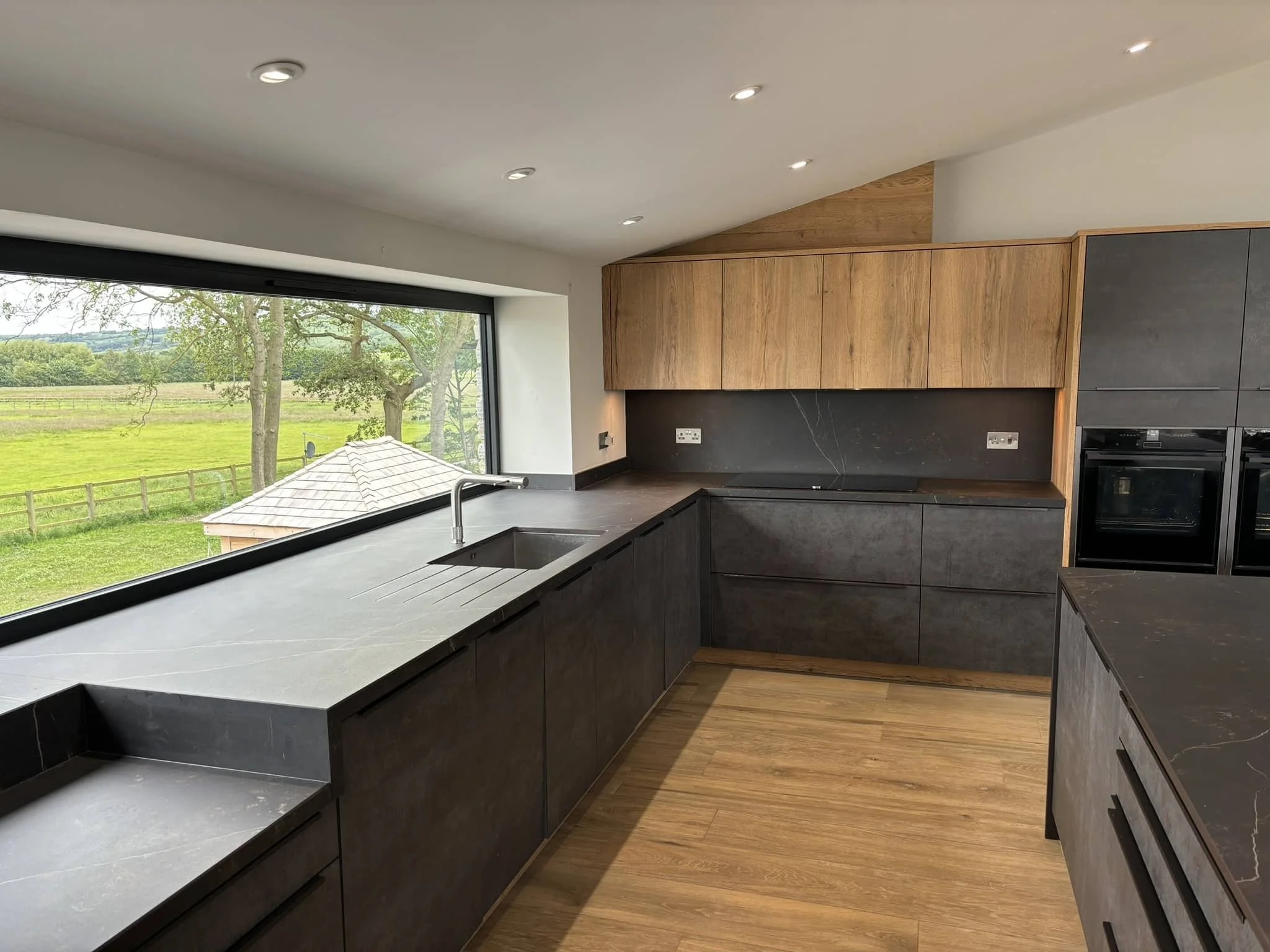
The client is a wheelchair user, and the kitchen was designed from the ground up to work properly for both him and his wife: a standard-height zone for her cooking and food preparation, and a fully accessible lowered zone for him, with its own sink, prep area and hob. The two zones share the space without compromising either one, and the overall kitchen looks exactly as a well-designed contemporary kitchen should. Accessibility is built in, not bolted on.
Project Details
-
The client is a director of a local house-building company, a sector where knowledge of what is available on the market comes with the territory. He had previously had kitchens installed from other local suppliers but had not been impressed enough to go back.
The brief required a kitchen that worked comfortably for both a wheelchair user and a non-wheelchair user. The practical requirements were considerable: lowered worktops and a sink accessible from a wheelchair, a separate cooking position at the right height, shared appliances positioned so both users could reach them, and enough storage and prep space to make the kitchen functional for a large and active household. The aesthetic brief was simply that it should look like a well-designed contemporary kitchen.
-
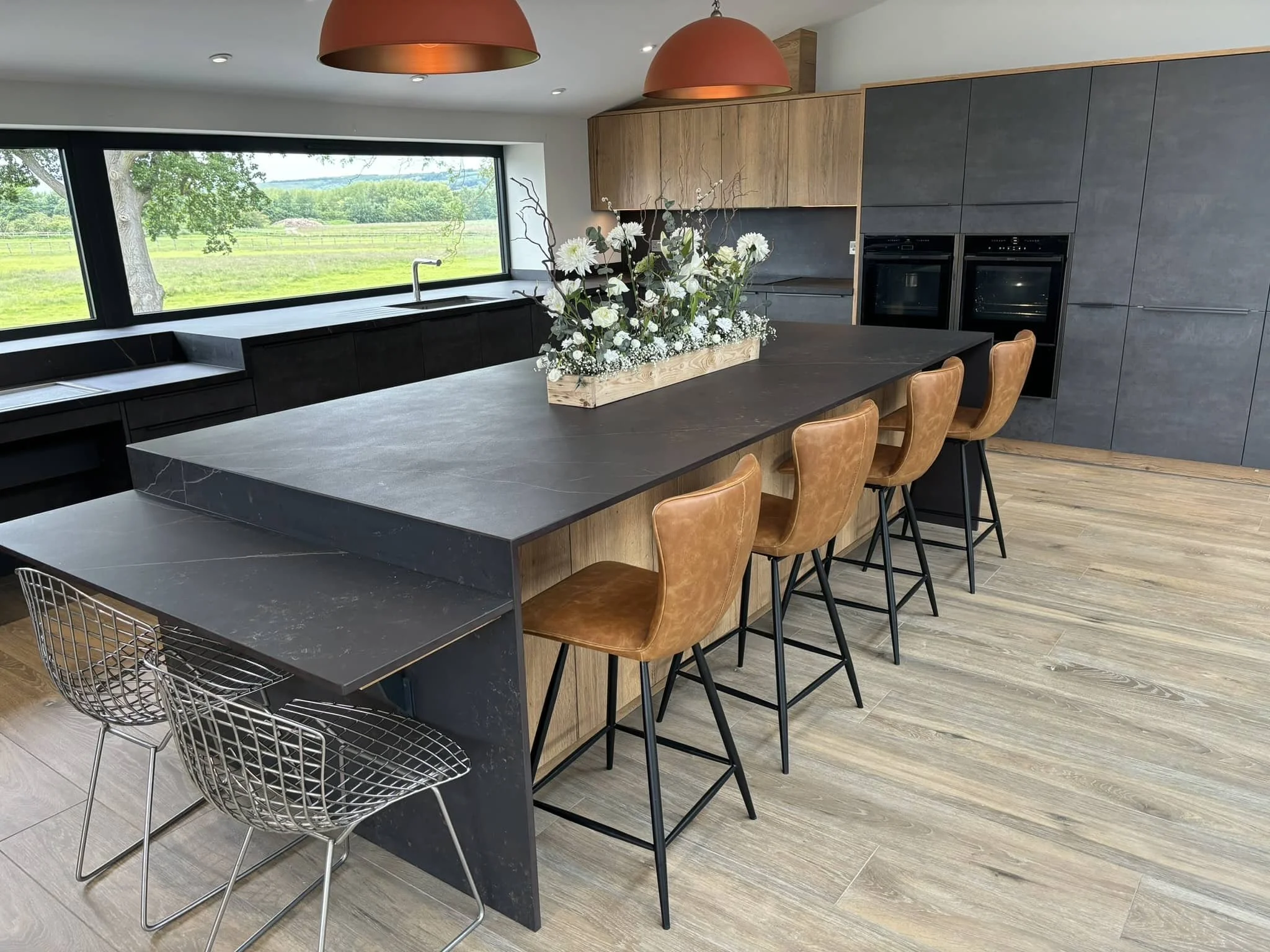
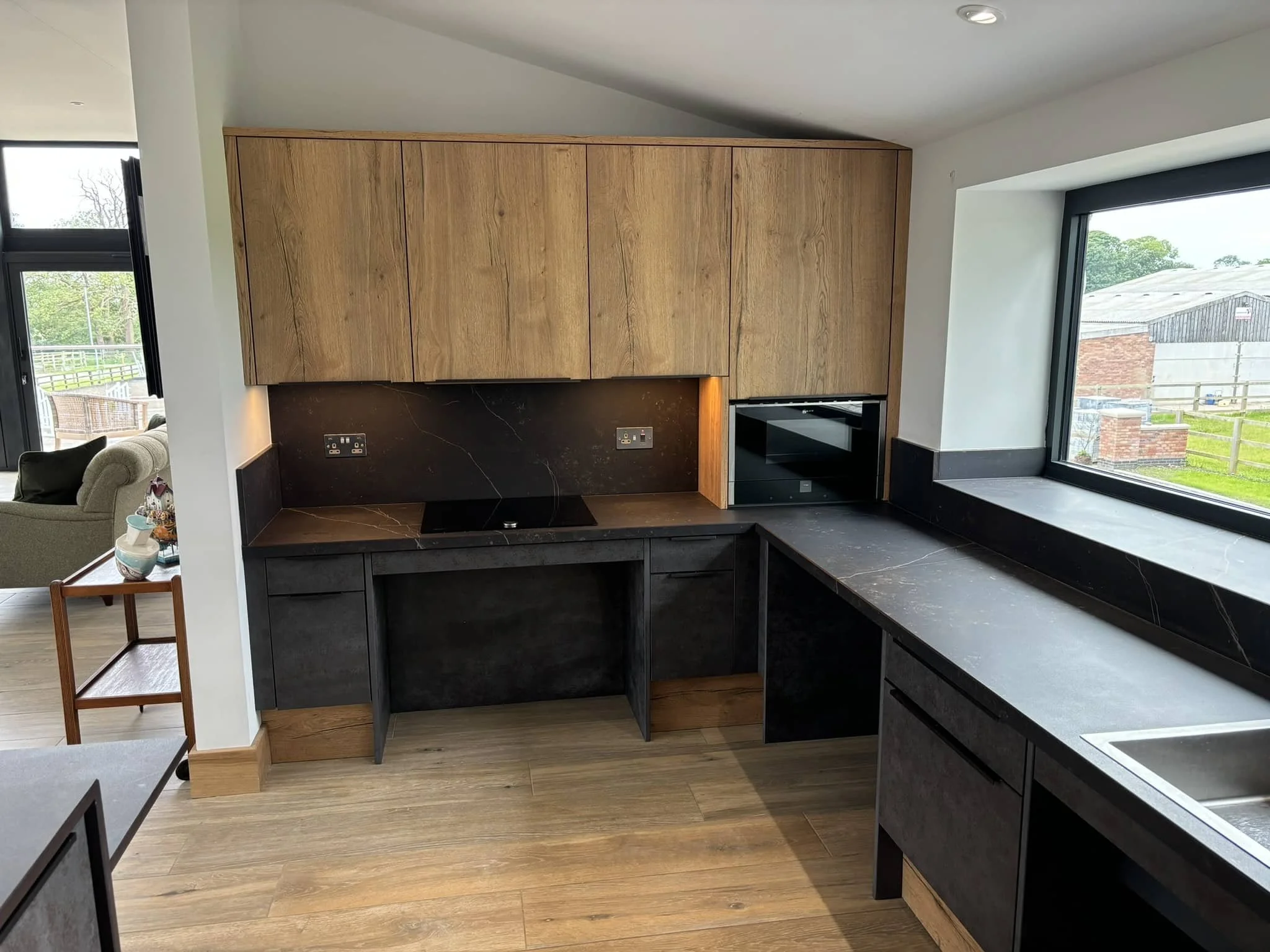
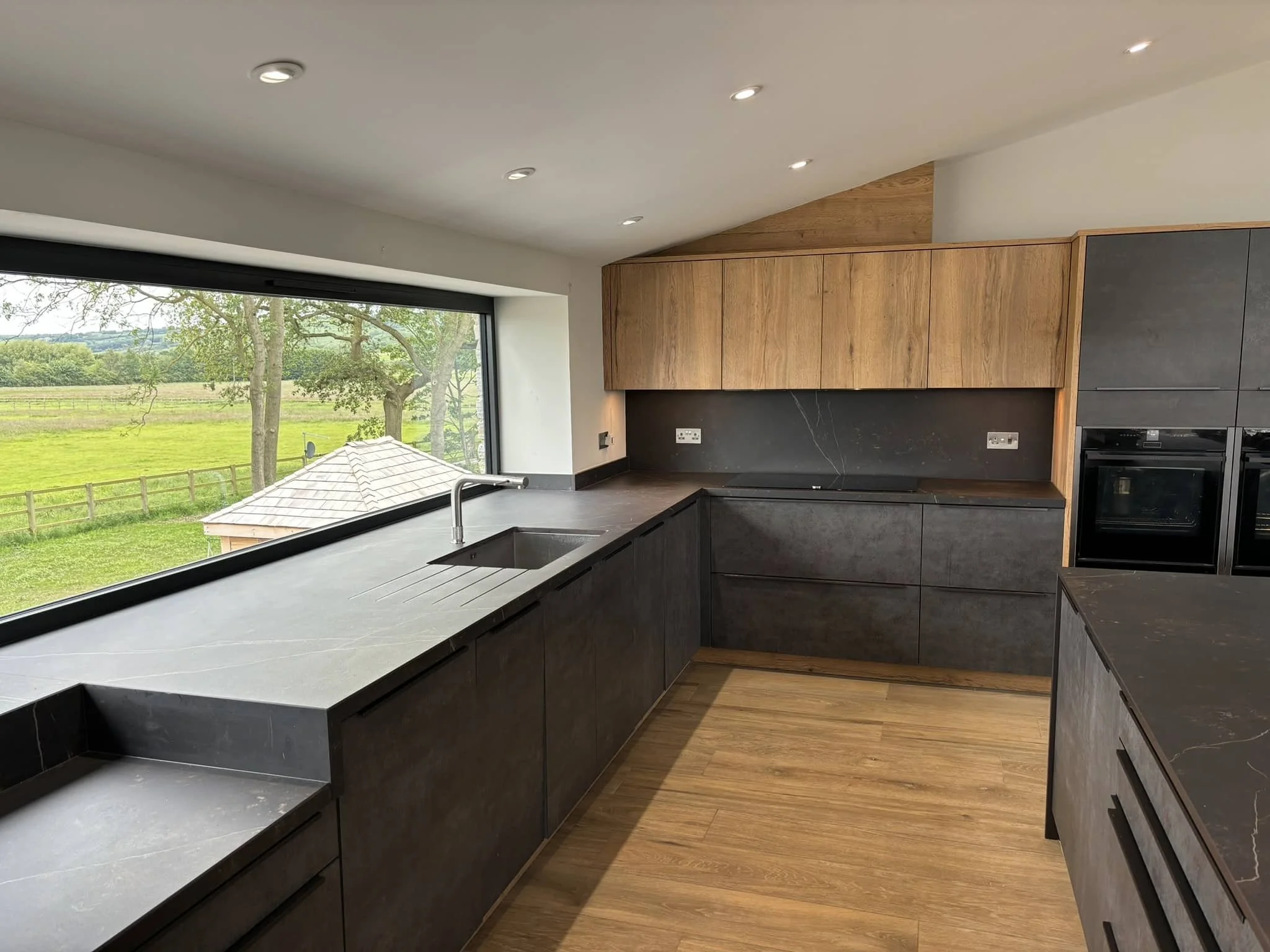
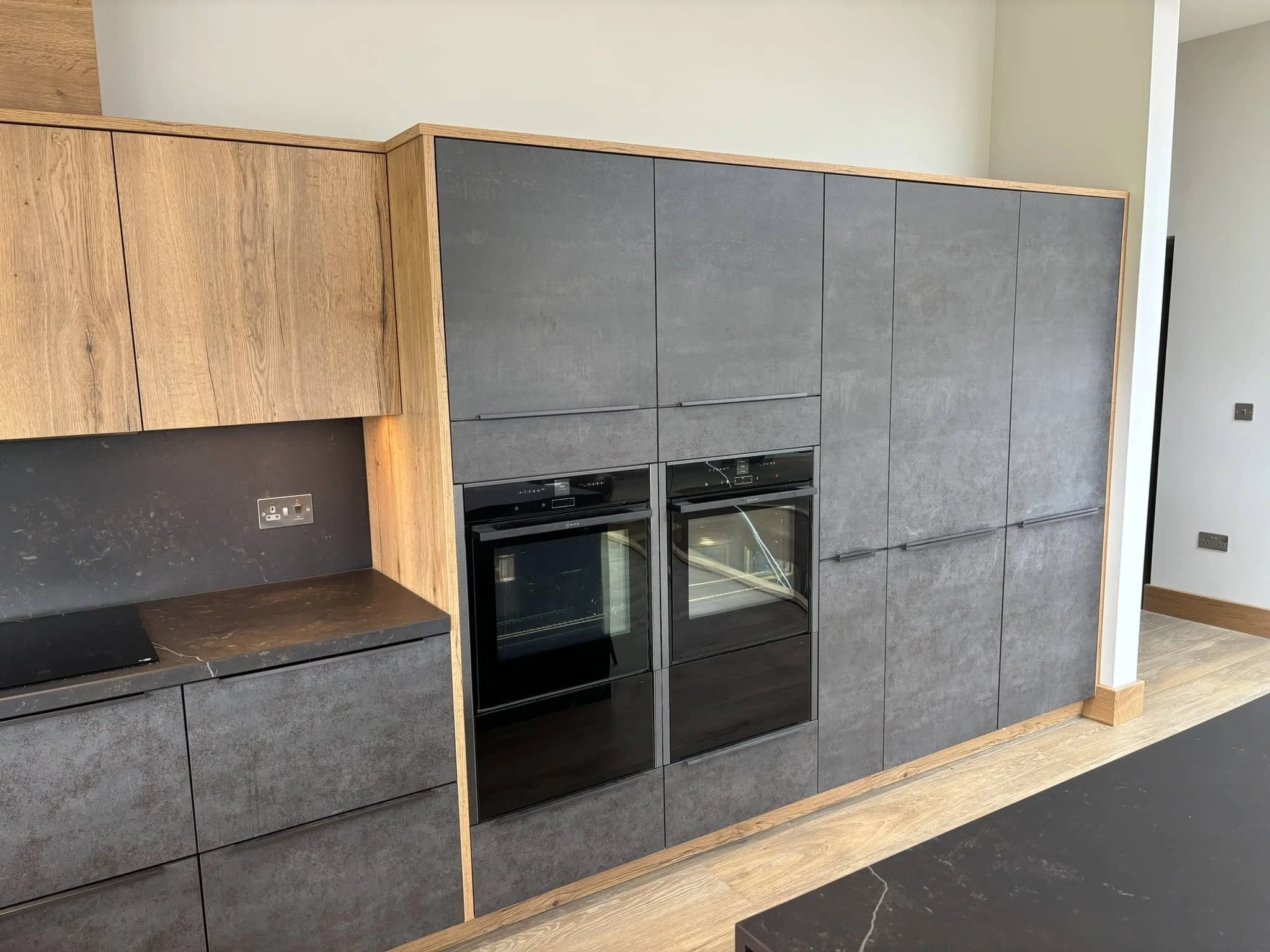
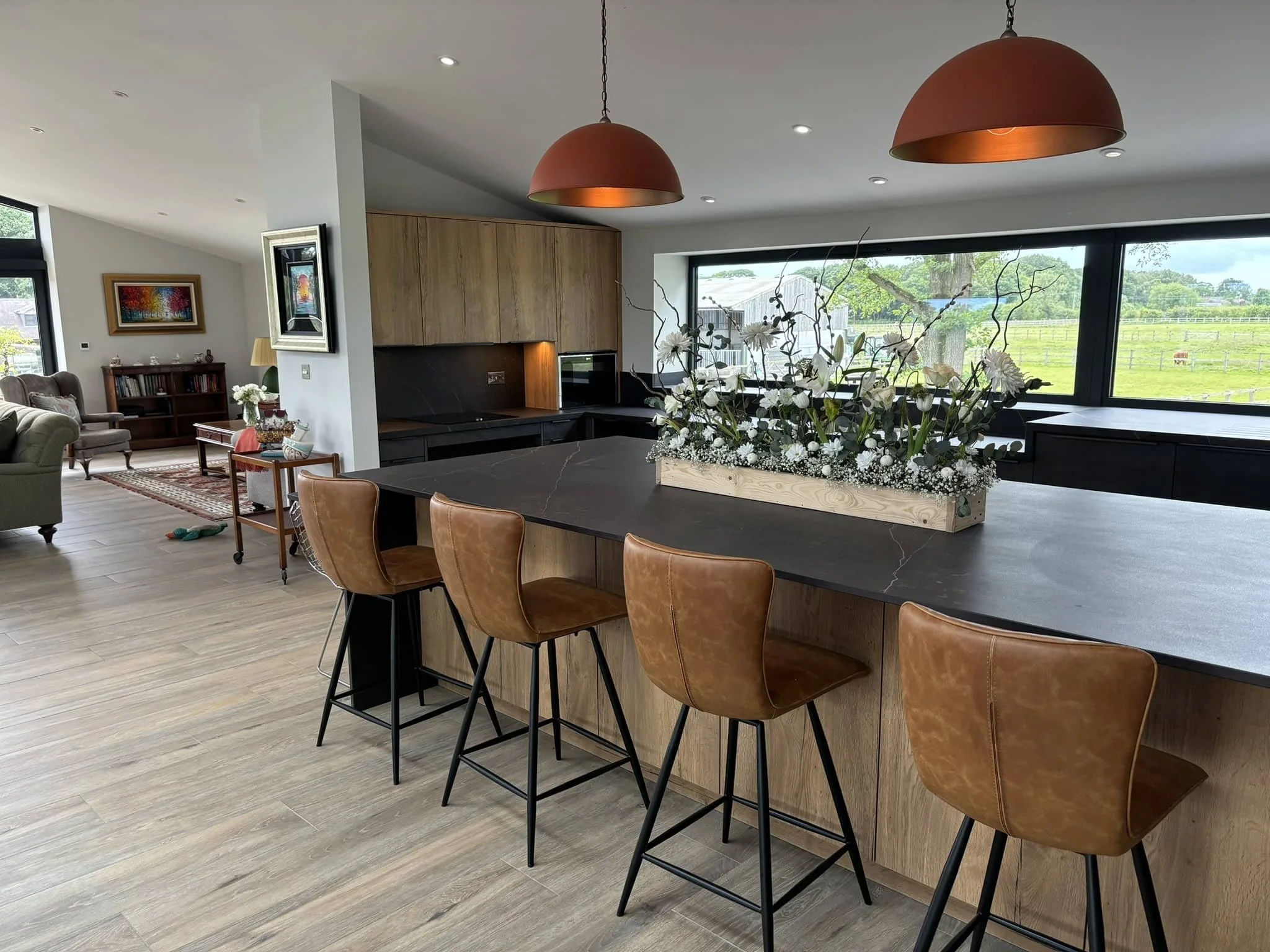
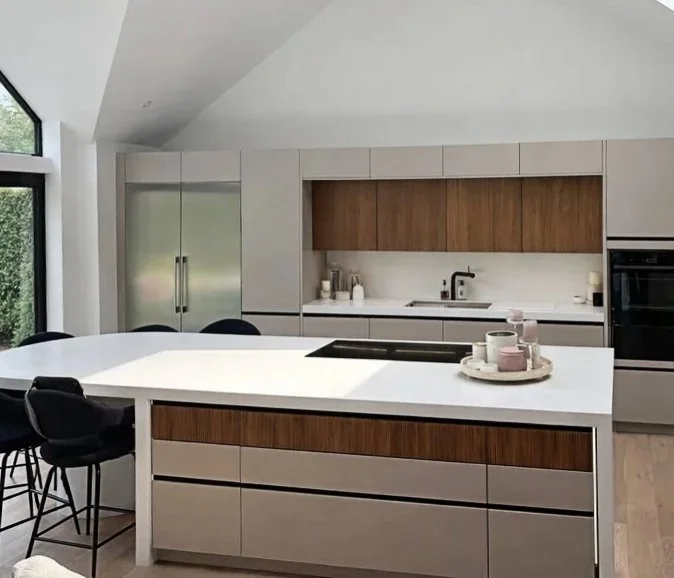
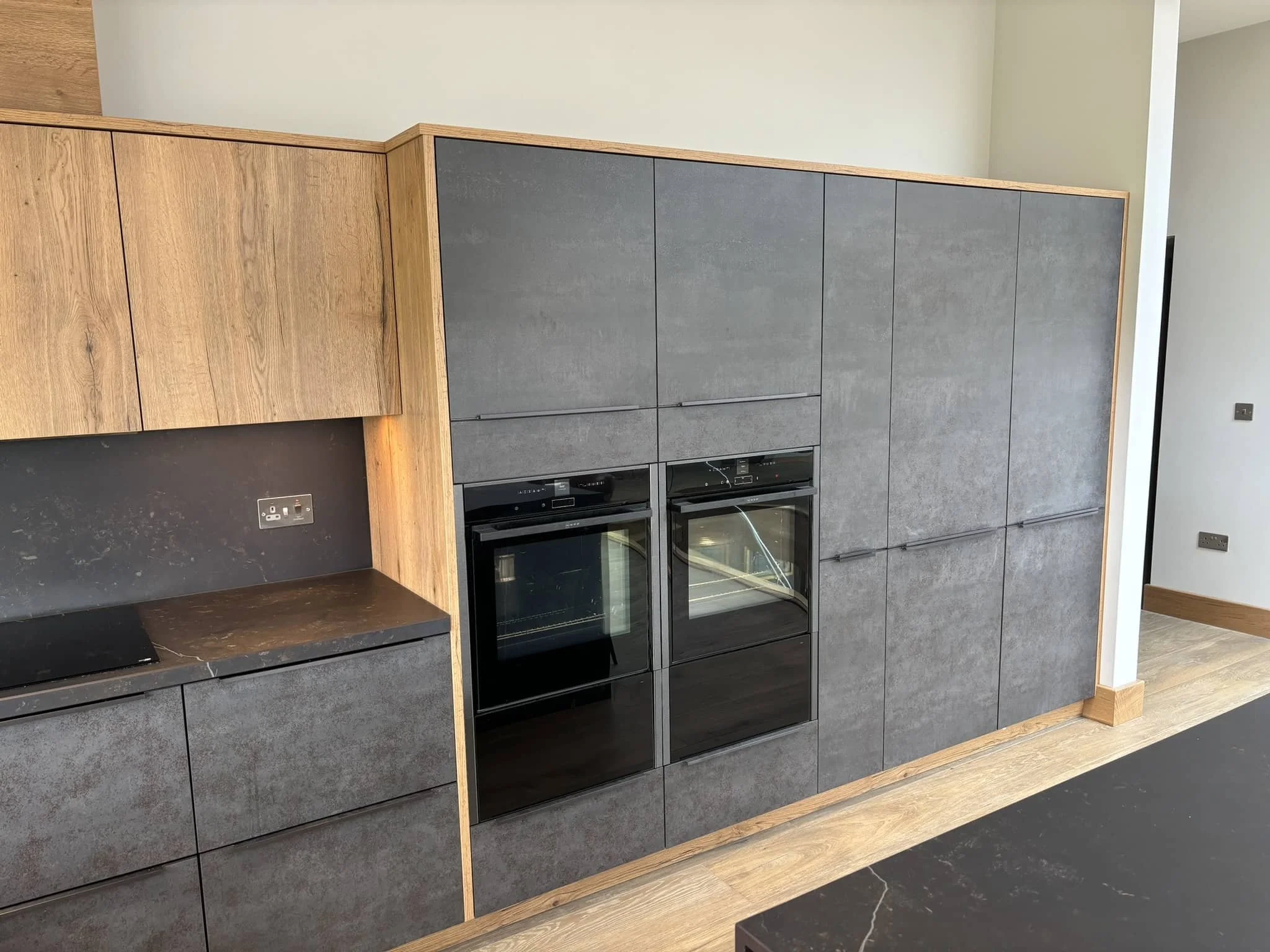
The kitchen resolves the accessibility requirements through two clearly differentiated zones in the same continuous space. The standard-height zone includes a hob beneath the oak wall units, a sink and the main prep area at conventional working height, used primarily by the client’s wife. The ovens are positioned at a height that works for both of them: high enough for comfortable use standing, accessible enough from a seated position in a wheelchair. Slide & Hide ovens with shelves on extending rails enabled him better access to the ovens.
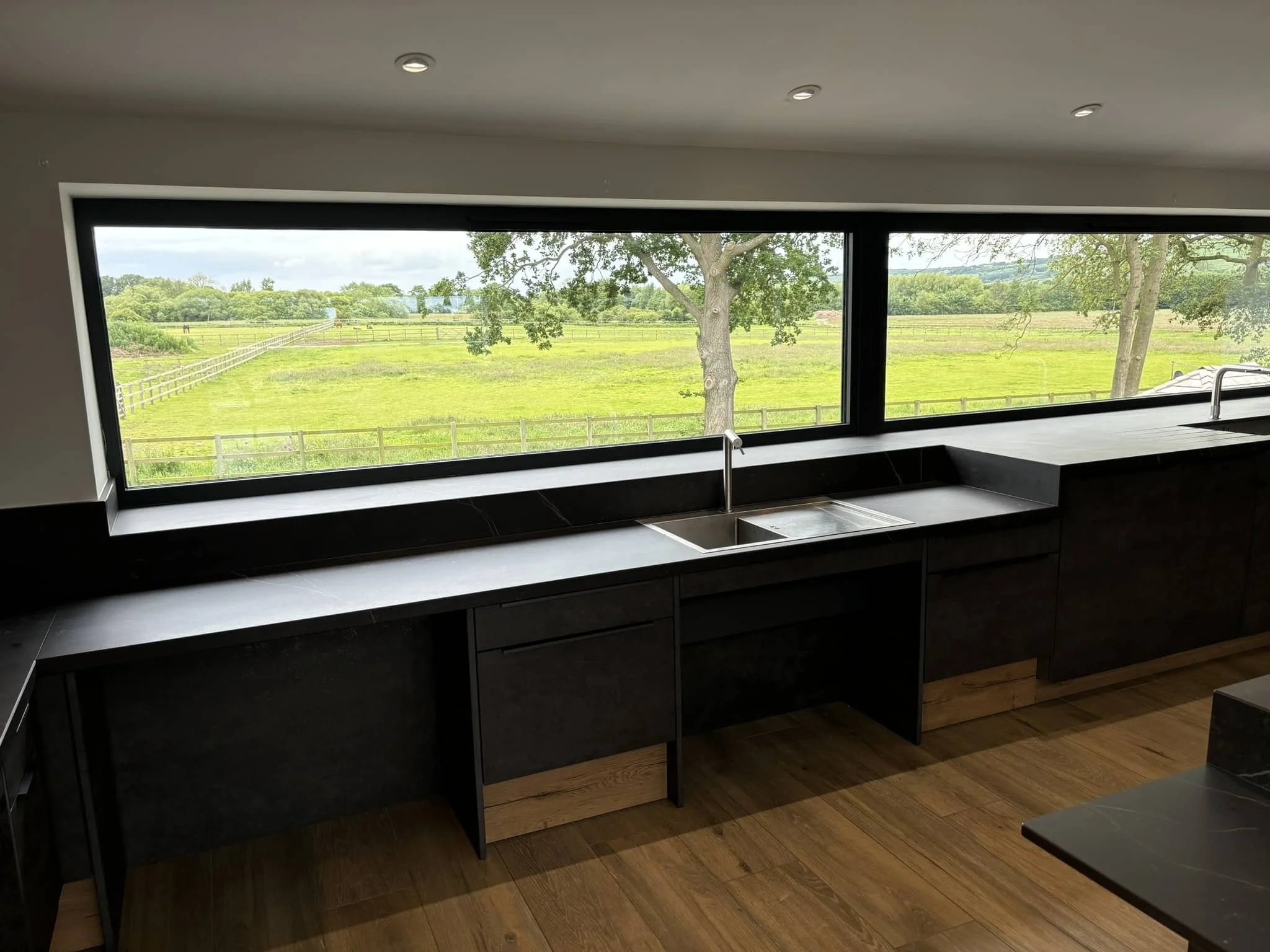
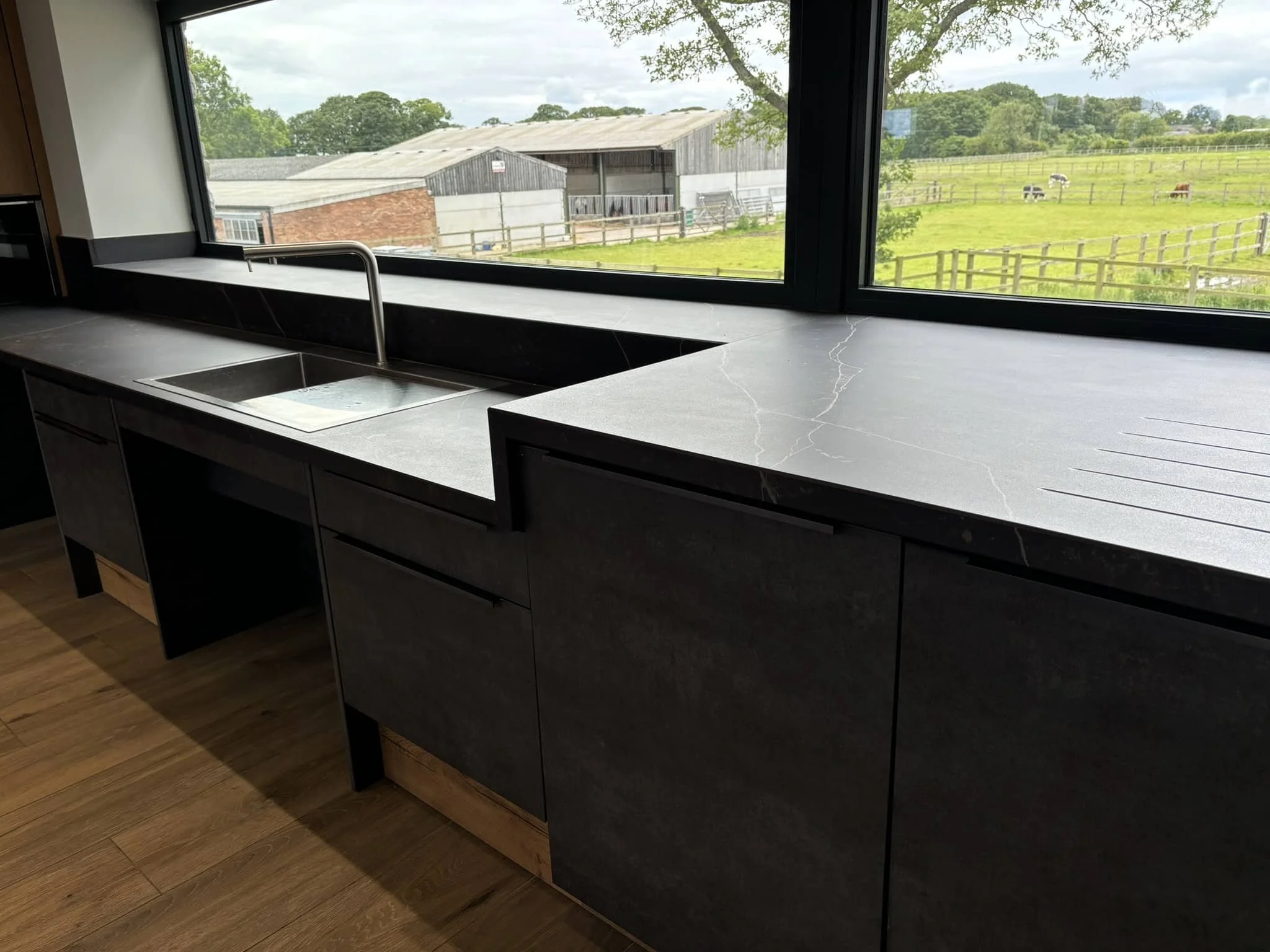
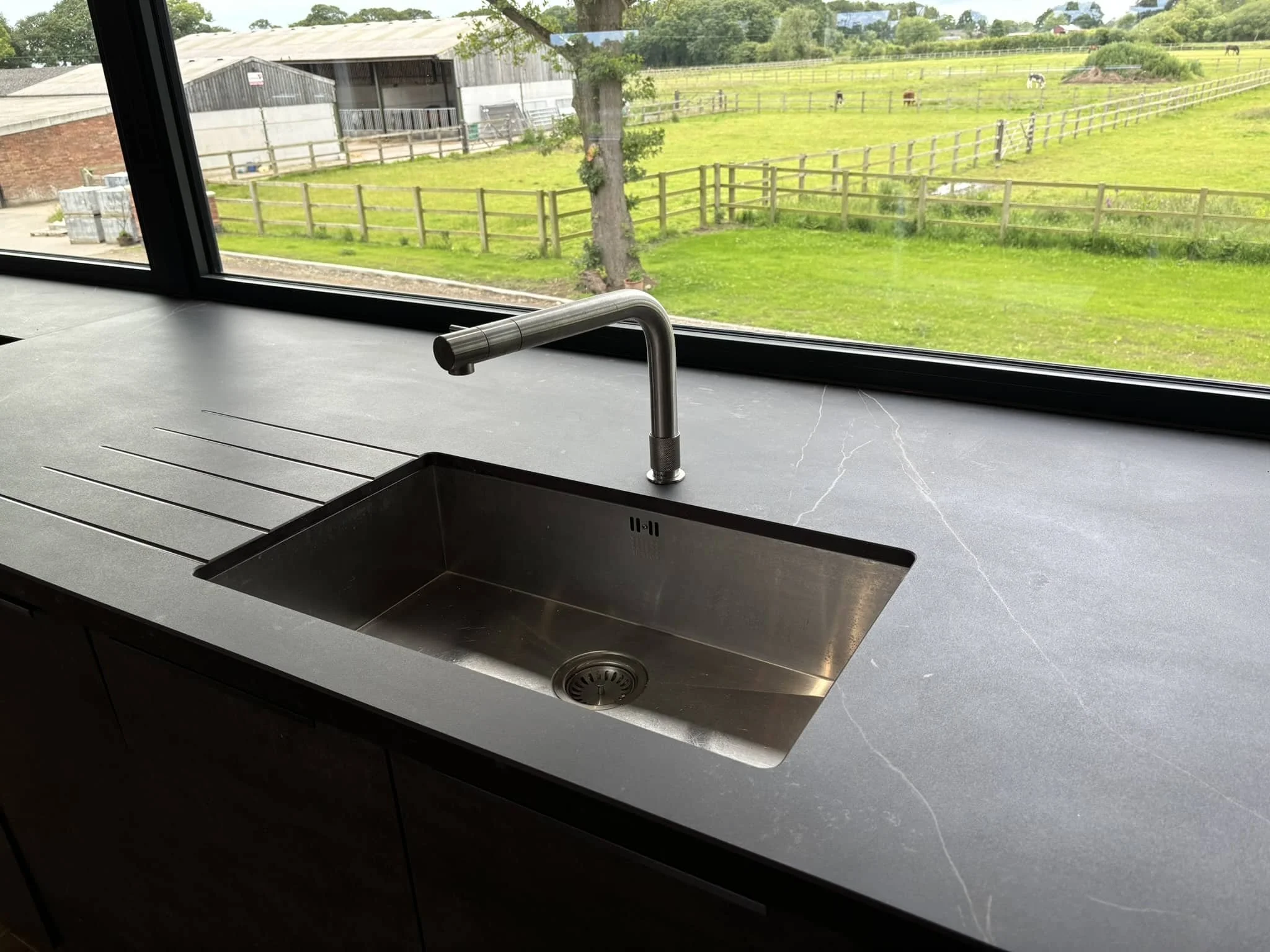
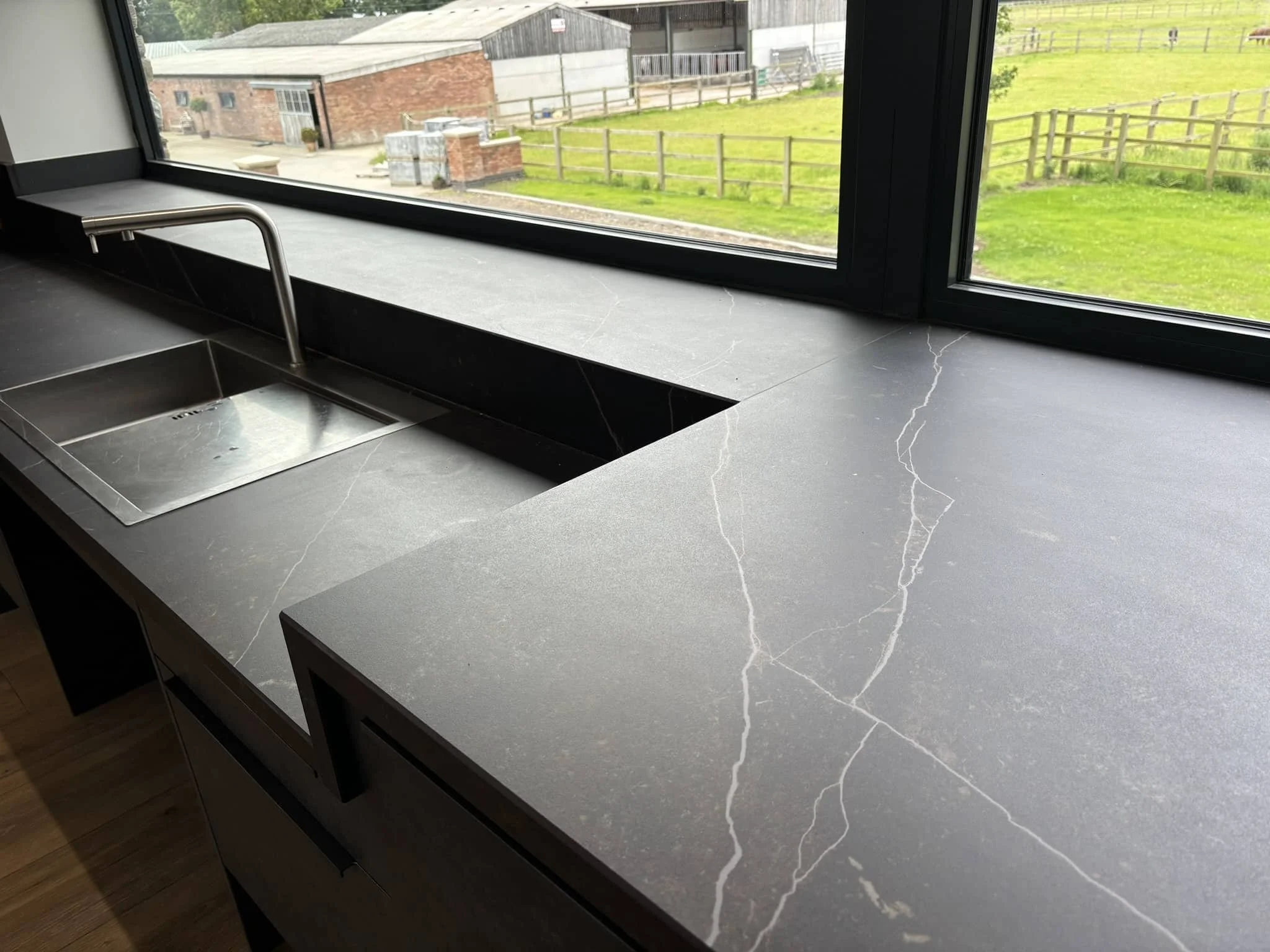
The worktop drops down in the accessible zone to a lower height, with a low-profile sink positioned to allow the wheelchair to fit underneath directly. A prep area to the left of the sink is also at the lower level, giving a clear and usable working surface from a seated position. Around the corner from the prep area, a second hob provides an independent cooking position at the accessible height, so the client can cook without needing to work at standard-height appliances. The result is a kitchen where both users have what they need, without the layout feeling forced.
-
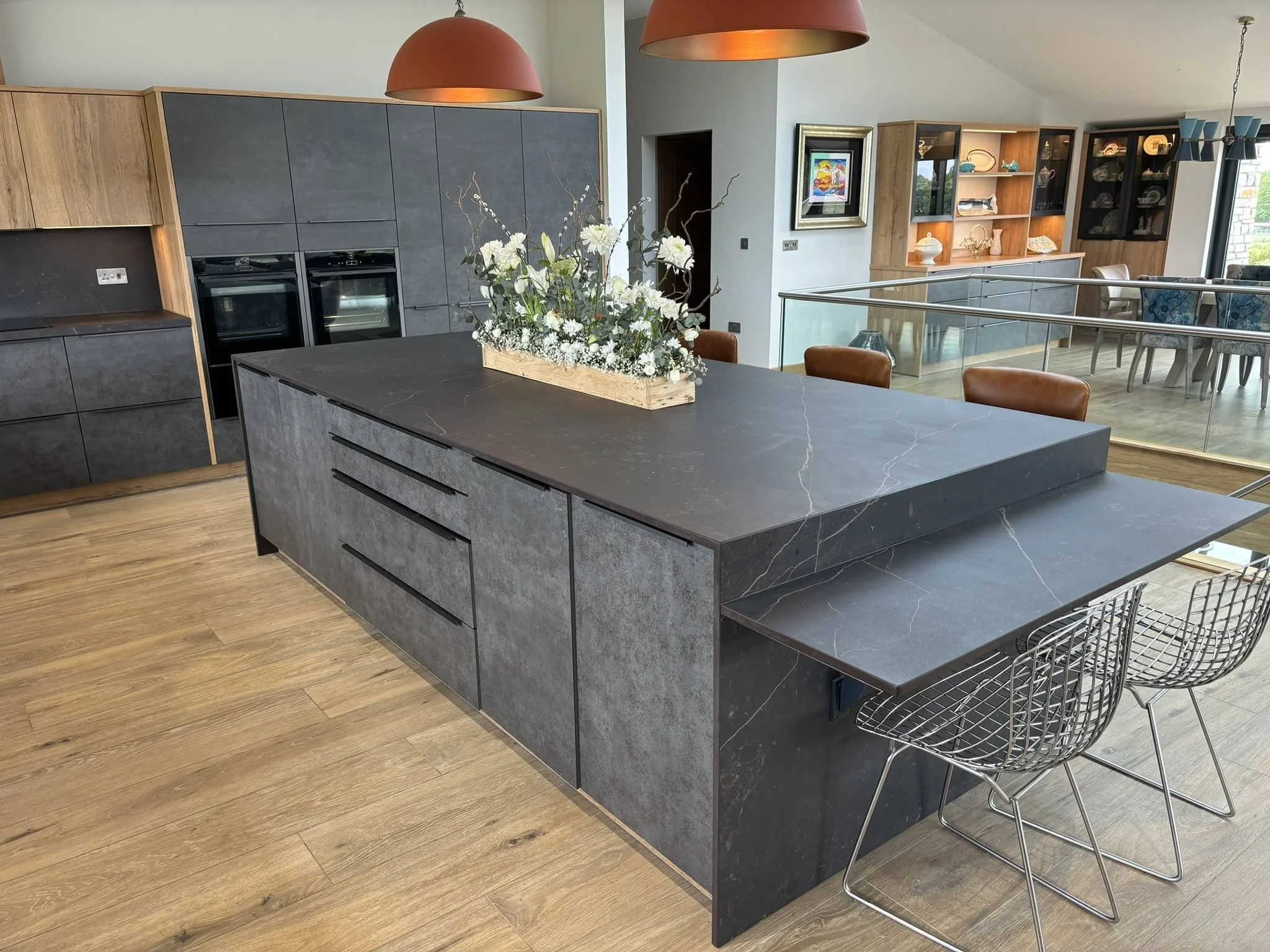
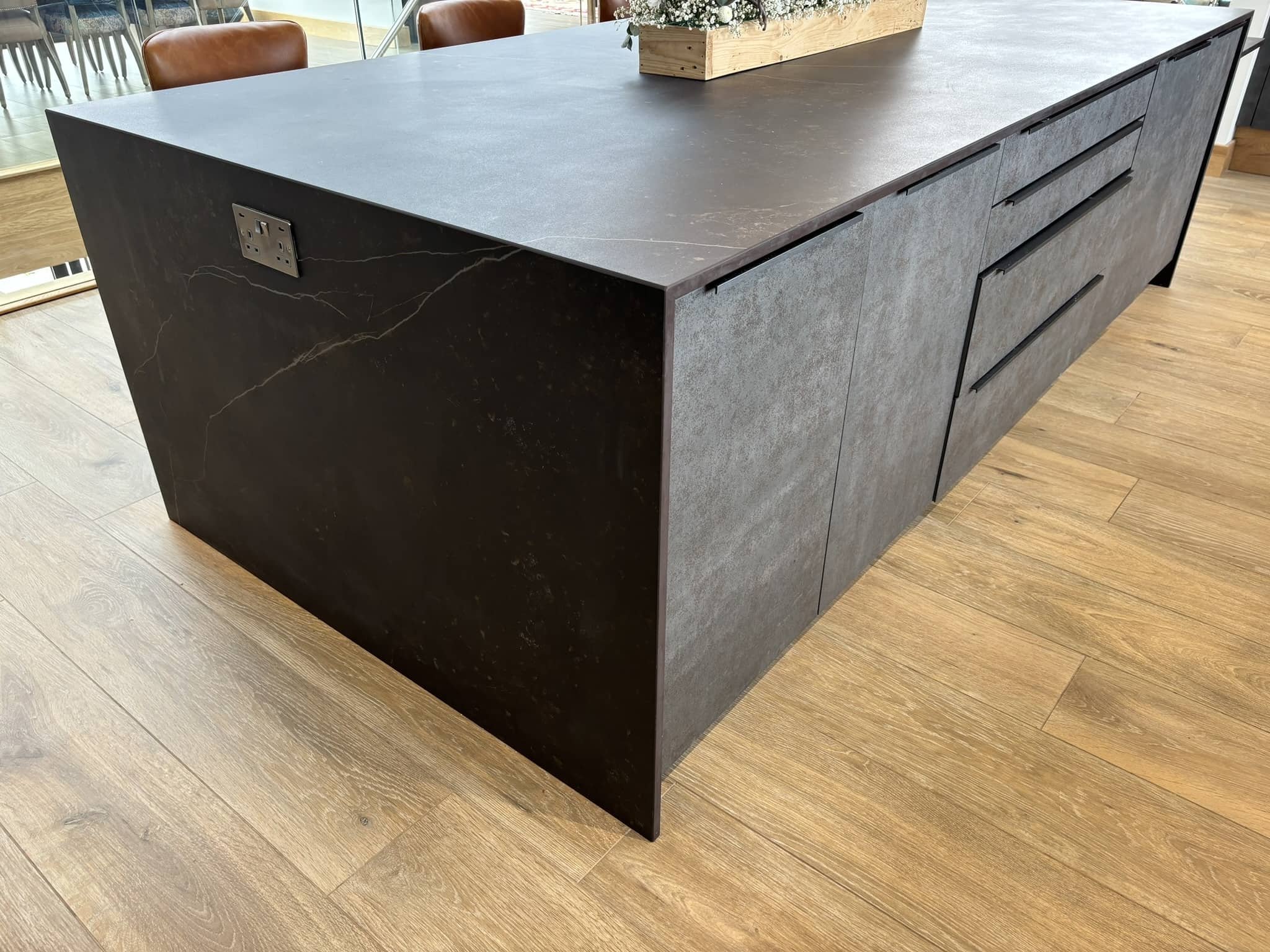
The worktops are Dekton throughout, running continuously across both zones and extending into the windowsill on one run. Fitting Dekton to this depth (considerably deeper than a standard worktop to reach the window) requires precise templating and careful installation, but the result is a continuous surface that reinforces the architectural quality of the space. Appliances are Neff throughout. The Quooker Front tap is fitted at the main sink; a matching conventional tap in a similar design was sourced for the lower accessible sink, so the two positions feel visually consistent.
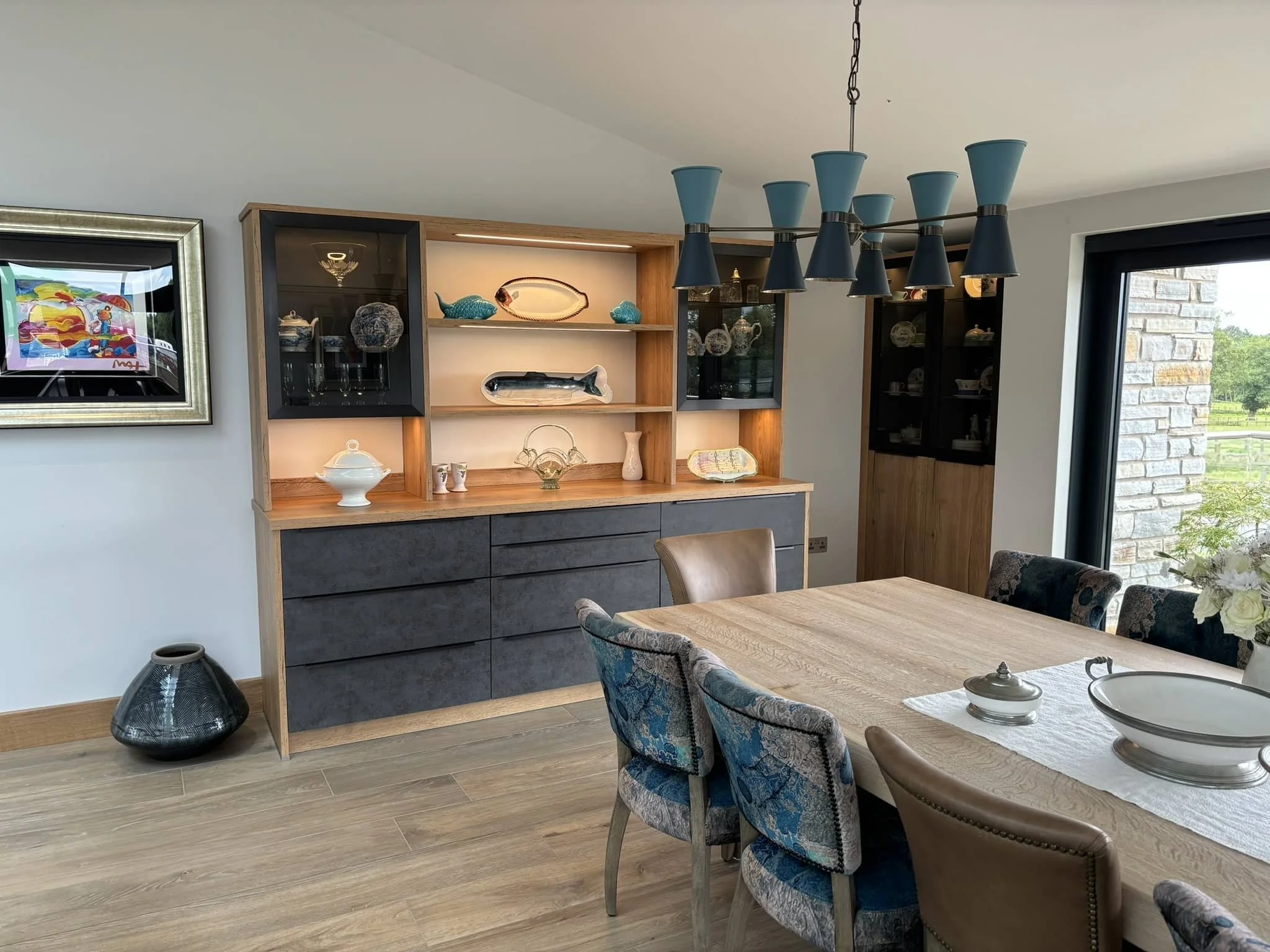
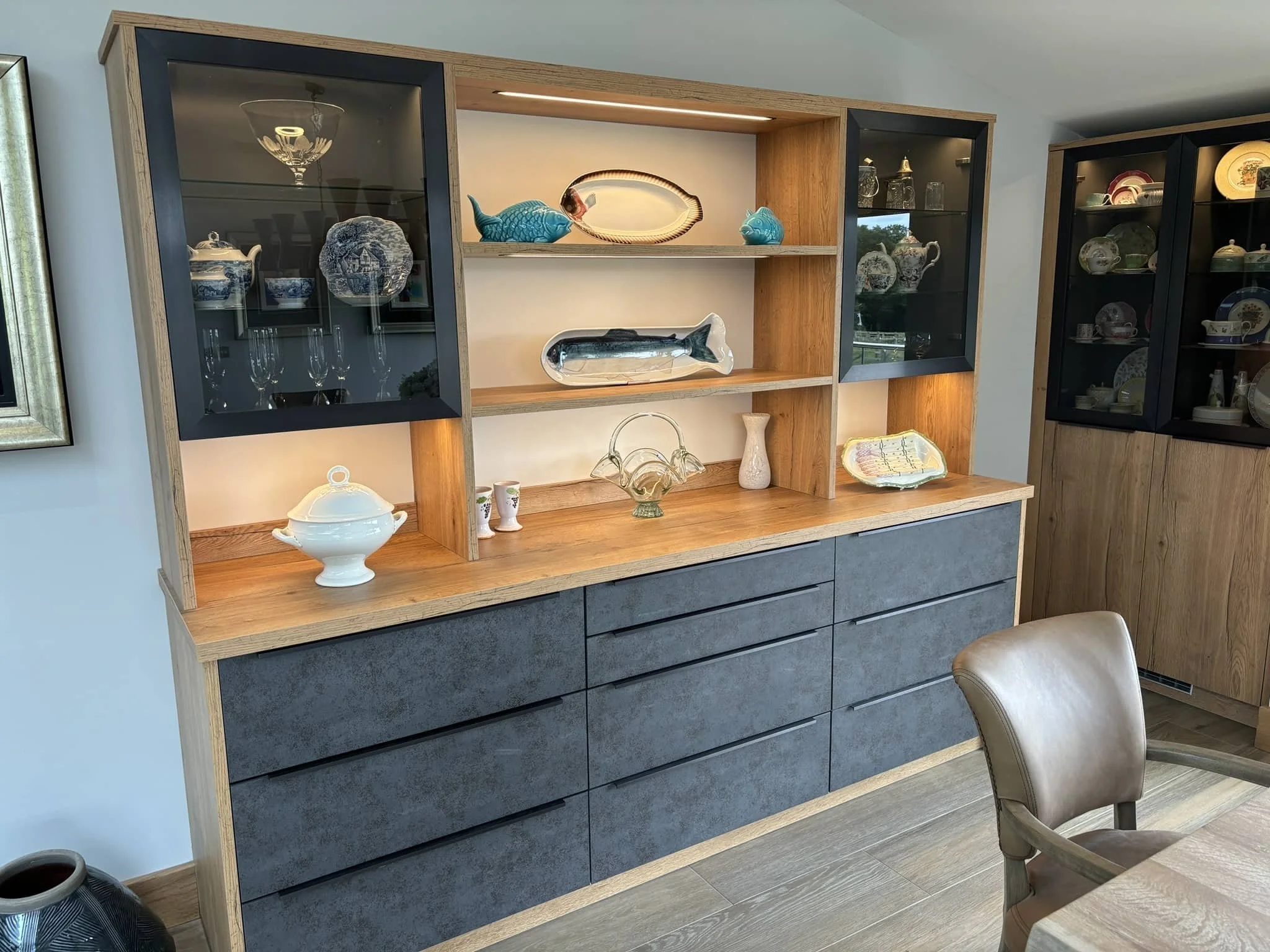
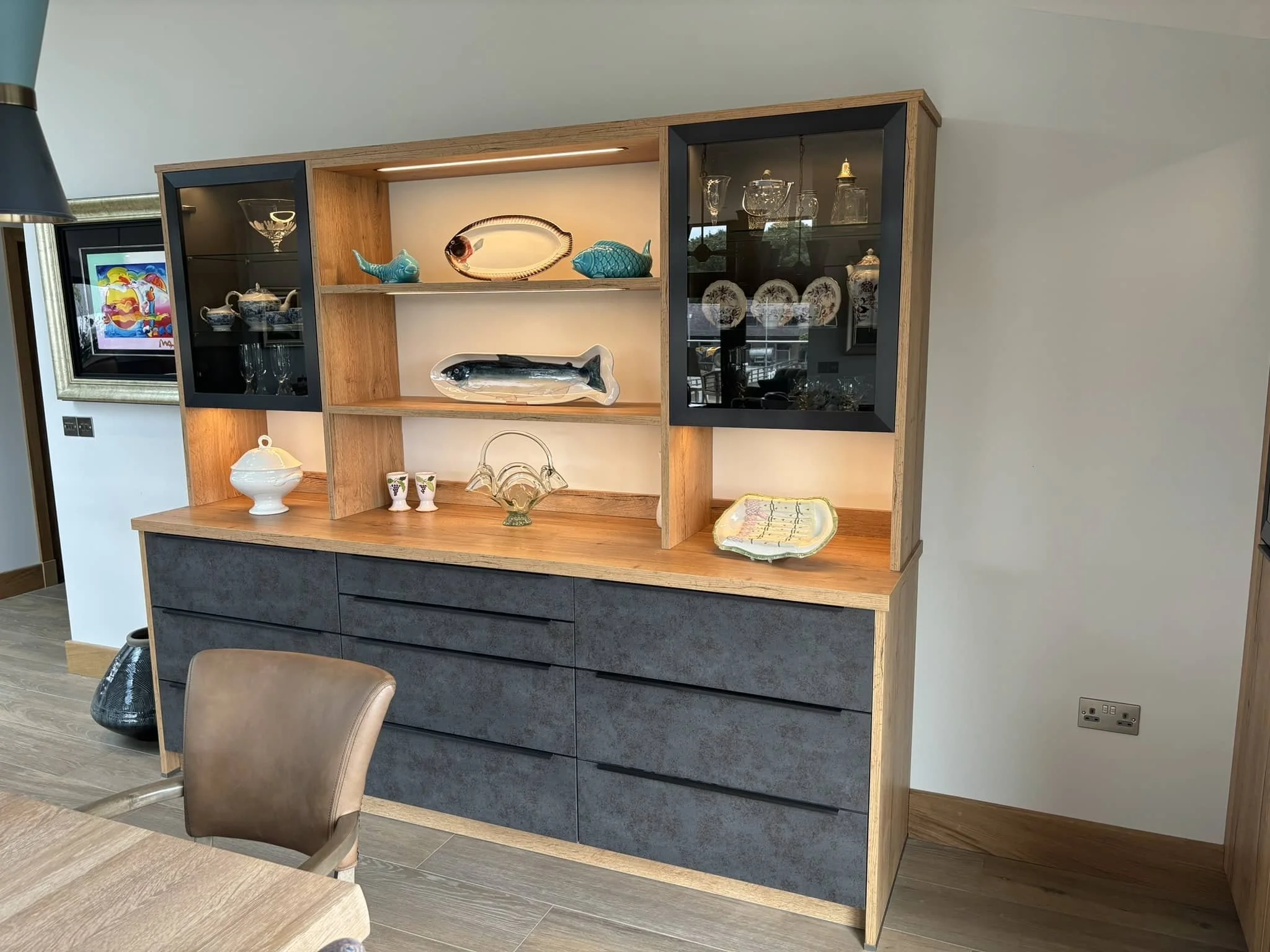
The cabinetry uses a combination of oak doors and a ceramic-style door which gives the kitchen material warmth and variation. The island is fitted with doors that open to reveal internal drawers behind them: a practical storage solution for mixers and cooking equipment used regularly, keeping the working tools of the kitchen close to hand without occupying worktop space.
-
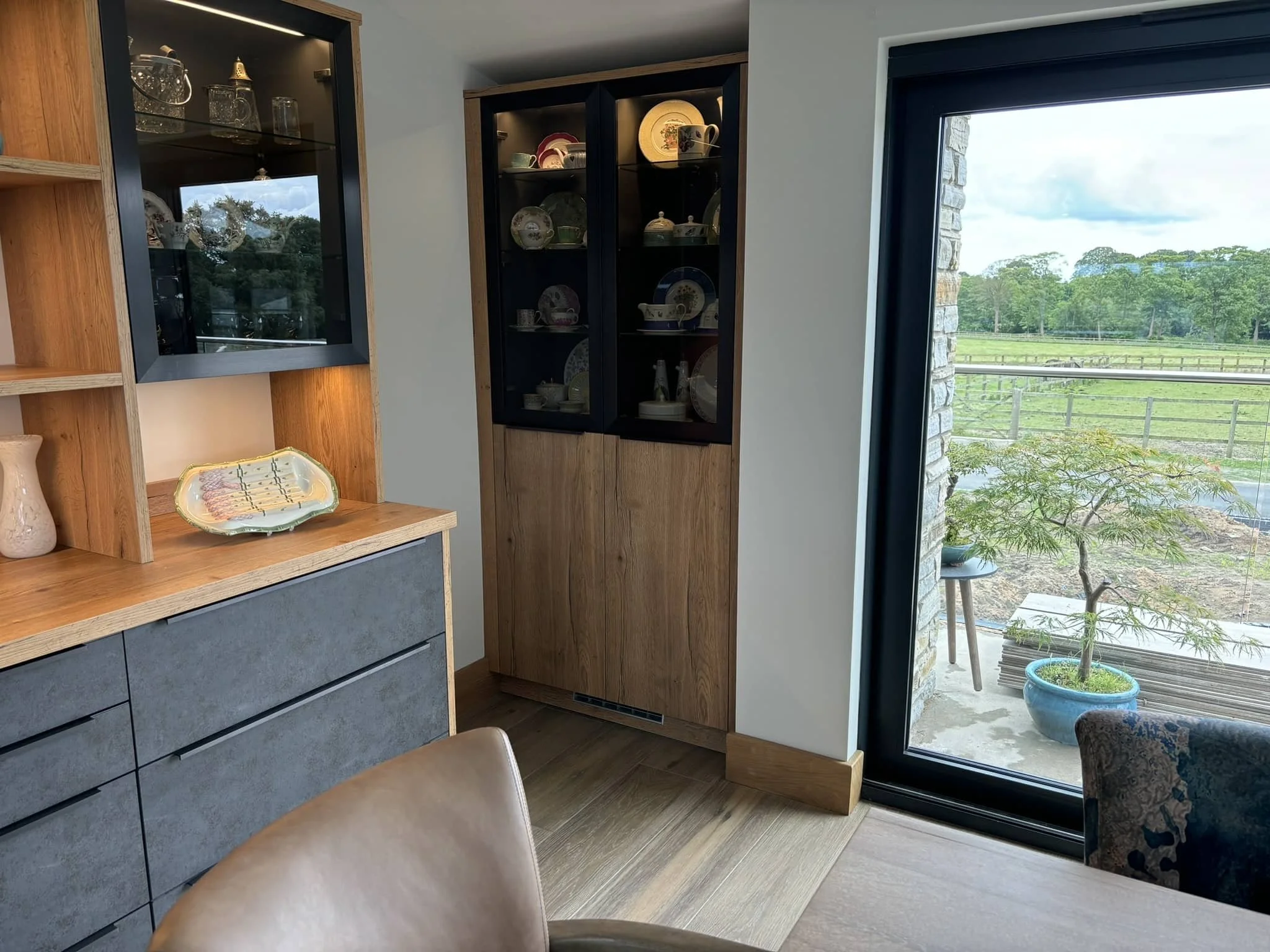
A small unit tucked into the corner of the kitchen addresses a practical requirement that most kitchen designs either ignore or handle clumsily: the heating manifold. Glass display units sit above, giving the unit a purposeful and finished appearance from the room, while the lower section provides accessible access to the heating manifold when needed.
-
The main kitchen is upstairs, which is unusual in itself. Downstairs, the utility room is effectively a second kitchen: a hob, extractor, ovens, microwave, fridge freezer, a large sink and tap, worktops, a washer and dryer, and general storage. It serves a large family and provides a practical ground-floor cooking facility for working from home, which means the household can function across both levels at different times. For the client, the ground-floor level is also the more accessible during work hours, even with a lift in the house.
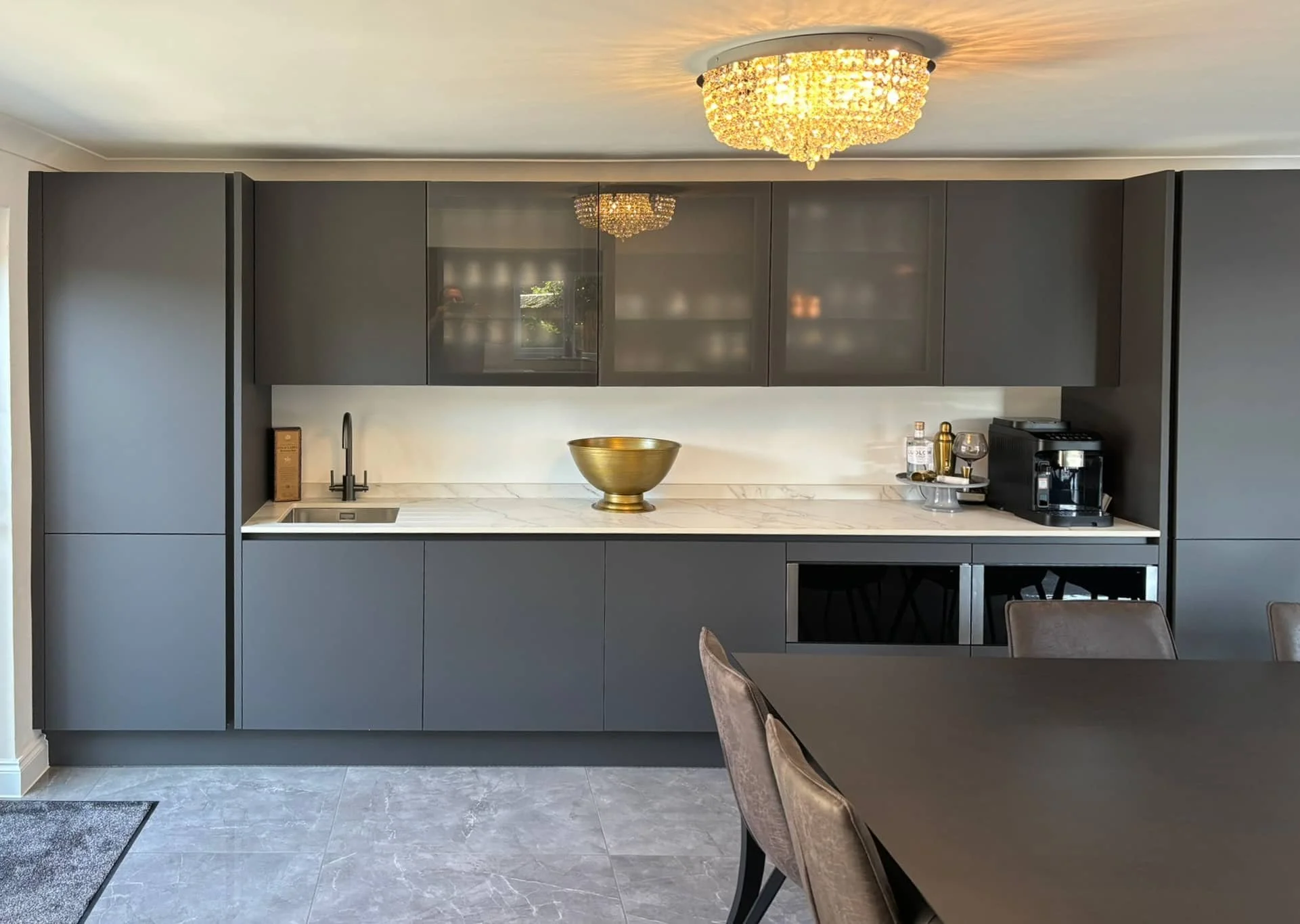
The utility cabinetry is Häcker Top Brilliant on the upper units with a rusted metal-finish door on the lower units, giving the space its own distinct character while staying within the same general design language as the rest of the house. The worktops and sink are Dekton, consistent with the main kitchen above.
-
A project with this level of practical complexity requires careful coordination throughout. The accessible zone dimensions, the Dekton installation to the windowsill, the corner service unit and the two-floor scope of the project all needed to be managed as a coherent whole. Sam remained closely involved at every stage, attending key installation points to ensure the finished kitchen reflected the design and met the standard the client was entitled to expect.
-
The finished kitchen works properly for everyone who uses it. The accessible zone gives the client genuine independence in a well-designed contemporary kitchen. The client came to Samuel Neal because he knew what quality looks like and had not found it elsewhere. This is the result of that decision.
Planning your own kitchen project? Visit the Samuel Neal showroom in Grimsby or book a design appointment to get started.